First: General Information
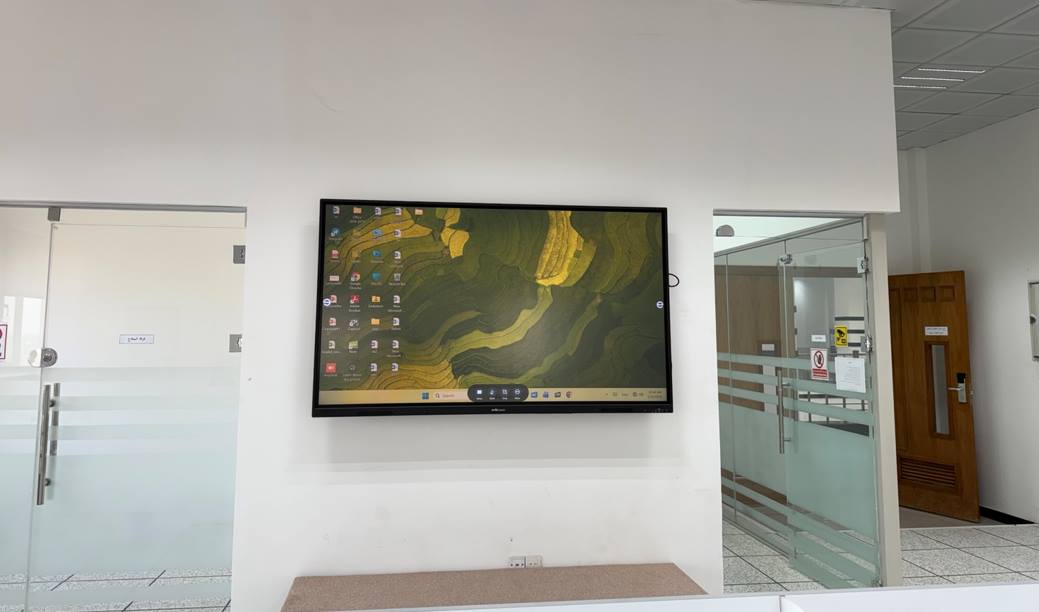
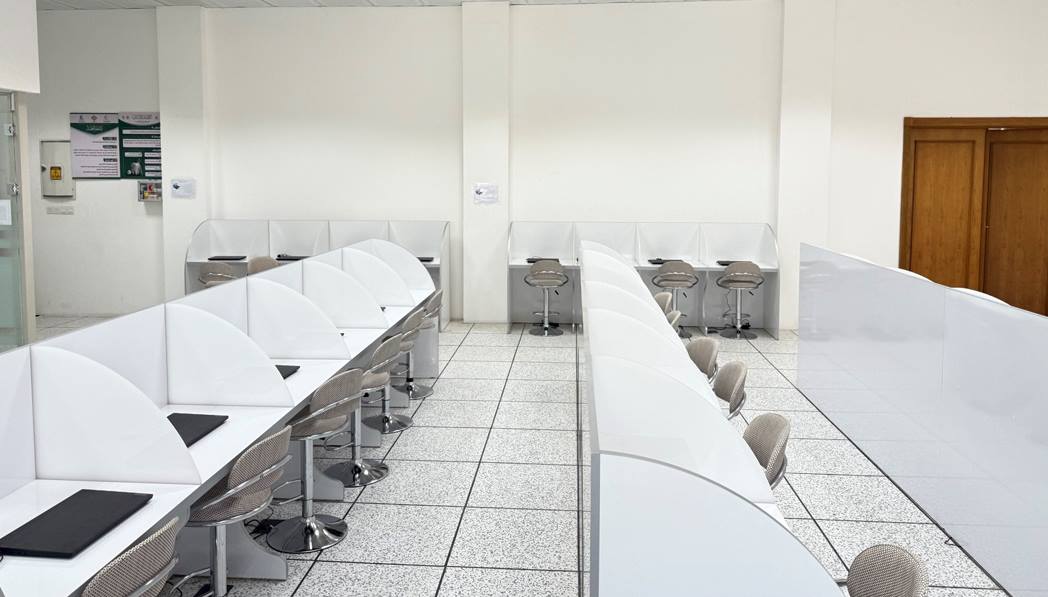
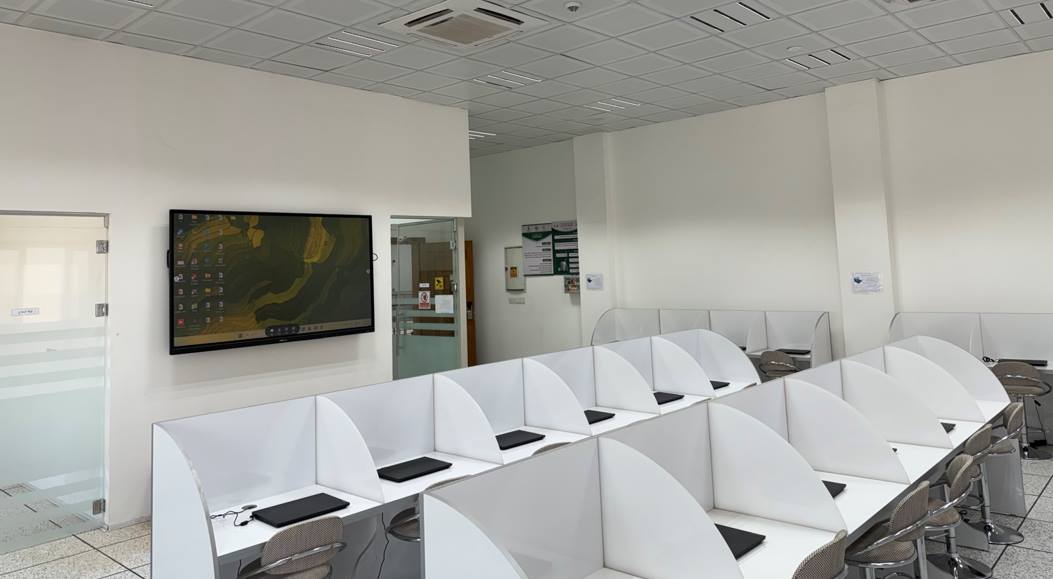
Laboratory Name: Computer Laboratory College: Dentistry Number of Devices: 44 Laptops Display Tool: Interactive Smart Board Device/Student Ratio: 1:1 Year of Establishment: 2026
Second: Legal Basis
This guide relies on the national quality assurance and academic accreditation standards issued by the Ministry of Higher Education and Scientific Research / Department of Quality Assurance and Academic Accreditation. It responds to the requirements of the Fourth Standard (Educational Resources) and the Fifth Standard (Management, Quality Assurance, and Continuous Improvement).
Third: Laboratory Mission
Supporting the Bachelor of Dentistry program by providing a digital educational environment that contributes to developing students' technical and research skills.
Fourth: Laboratory Objectives
1. Enabling students to use computers efficiently. 2. Developing scientific report preparation skills using Office applications. 3. Enhancing the understanding of networks in a digital clinic environment. 4. Introducing students to the fundamentals of artificial intelligence and its applications. 5. Supporting scientific research and data analysis skills.
Fifth: Laboratory Contribution to Achieving Learning Outcomes
• Developing digital skills. • Supporting scientific research skills. • Enhancing self-learning. • Utilizing modern technologies in the medical field.
Sixth: Resources and Equipment
• 44 laptops in good operational condition. • Interactive smart board. • Stable internet connection. • Licensed software (Operating System – Microsoft Office – Network simulation tools – Educational AI tools). • Target readiness rate ≥ 95%.
Seventh: Key Performance Indicators (KPIs)
• Device readiness ≥ 95% • Failure rate ≤ 5% • Student satisfaction ≥ 80% • Execution of periodic maintenance twice a year • Annual software updates
Eighth: Continuous Improvement Plan (2025-2027)
2025: Enhancing internet speed. 2026: Introducing educational data analysis tools. 2027: Developing applied AI content in dentistry.
Ninth: Risk Management
• Power outages: Using UPS to ensure workflow continuity. • Viruses: Updated antivirus software. • Device malfunctions: Periodic maintenance. • Data loss: Periodic backups.
Tenth: Safety and Information Security
• Adherence to civil defense instructions. • Prohibiting the installation of unauthorized software. • Using accounts with limited privileges for students. • No storage of actual medical data without official consent. • Equipping the laboratory with early warning alarms and fire extinguishers. • Securing doors with a Smart Access Control system.
Eleventh: Documentation and Quality File
• Maintenance records. • Attendance records. • Student satisfaction survey results. • Quarterly reports. • Improvement plans. • Handover and receipt minutes.