About the Laboratory:
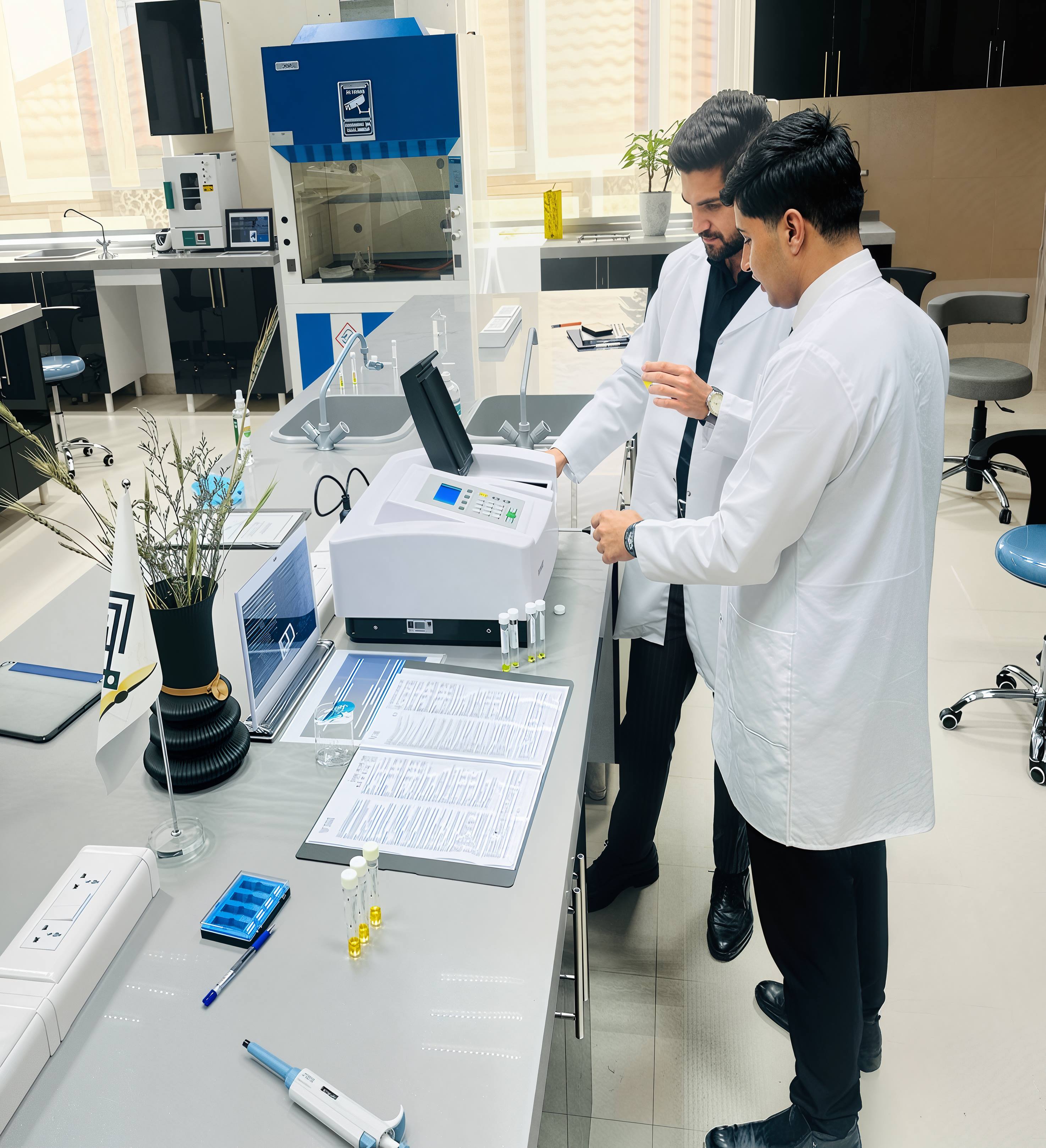
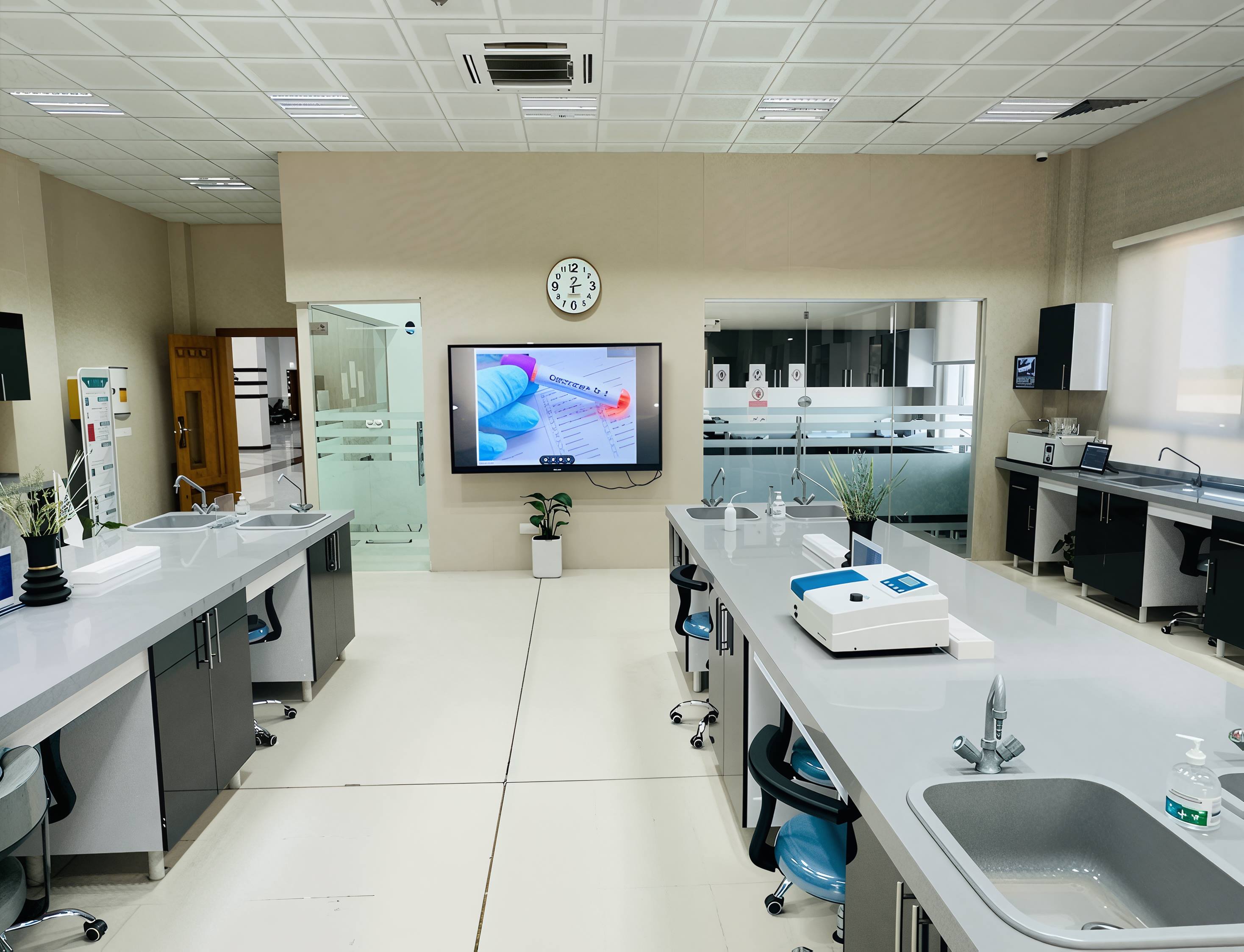
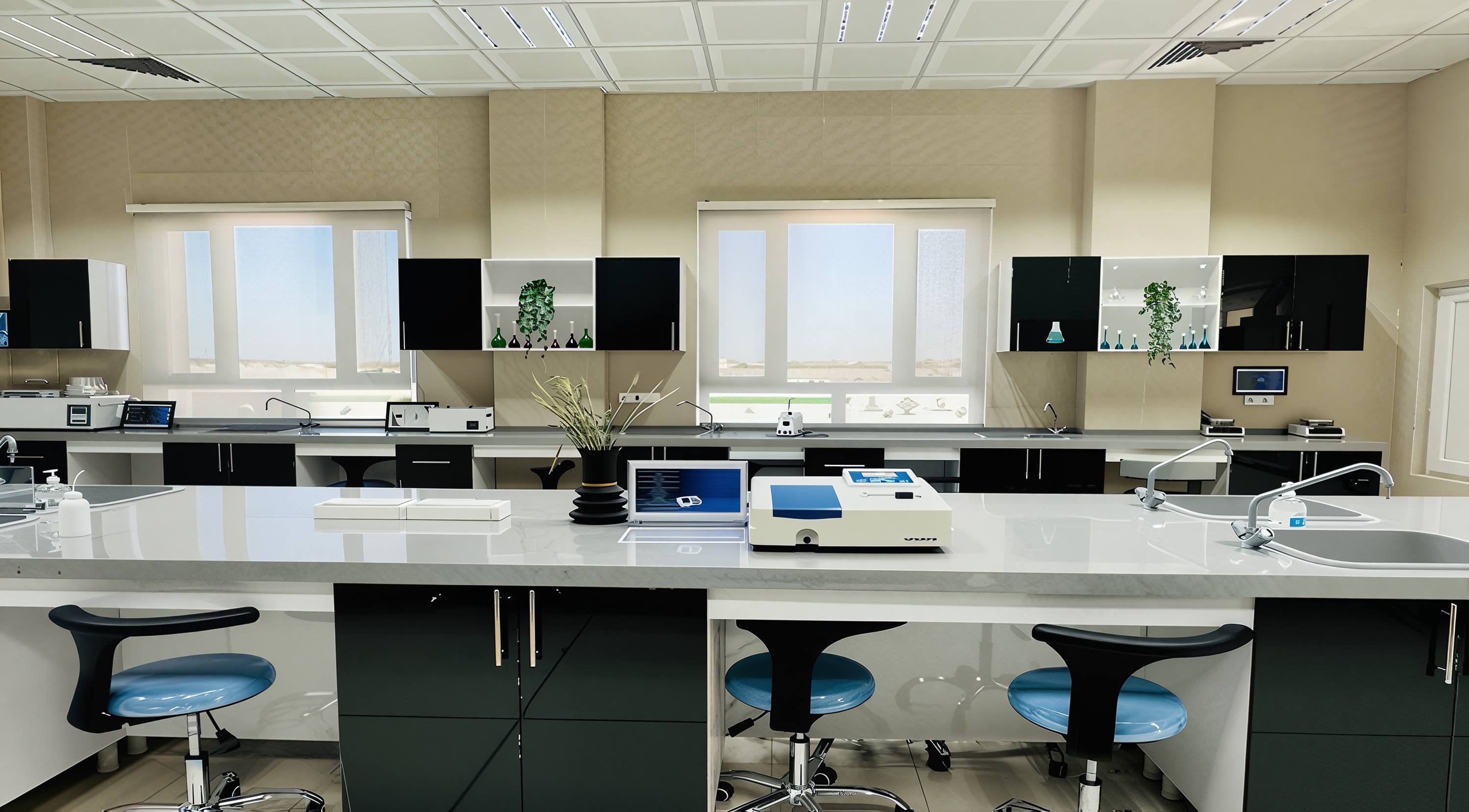
The Biochemistry and Medical Chemistry Laboratory at the College of Dentistry is an academic educational facility dedicated to training students in the practical principles of biochemistry and basic medical analysis. The laboratory aims to bridge the gap between theoretical knowledge and practical application, equipping students with the necessary skills to safely and accurately conduct laboratory experiments while enhancing their understanding of biochemical reactions in the human body and educational models.
Definition of Clinical Biochemistry:
Clinical biochemistry is a branch of biochemistry focused on the study and examination of chemical substances and processes within the human body to evaluate health status and diagnose diseases. Simply put, it is the medical application of analyzing body fluids such as blood, urine, and saliva, and studying compounds like enzymes, hormones, electrolytes, carbohydrates, proteins, and lipids to provide vital information about the functions of organs such as the liver, kidneys, and heart.
Primary Functions Include:
1. Diagnosing Diseases: such as liver and kidney diseases, diabetes, and lipid disorders.
2. Monitoring Treatment: evaluating the efficacy of medications or medical therapies.
3. Detecting Chemical Imbalances in the Body: such as electrolyte disturbances or vitamin deficiencies.
Core Objectives:
1. Teaching students to perform fundamental biochemical analyses and understand their underlying scientific principles.
2. Training students to operate laboratory equipment and analyze results accurately.
3. Enhancing scientific research skills and understanding biochemical reactions and their impact on health.
4. Training students in blood drawing procedures safely and scientifically.
5. Instilling a culture of laboratory safety and quality in accordance with academic standards.
Basic Educational Analyses Used:
• Protein Analysis (Total Protein, Bilirubin).
• Carbohydrate Analysis (Glucose).
• Lipid Analysis (Cholesterol, Triglycerides).
• Educational liver and kidney function tests using standard solutions.
• Measurement of ions and minerals (Na⁺, K⁺, Ca²⁺) for chemical balance.
Basic Educational Devices and Equipment:
• Centrifuge
• UV–Visible Spectrophotometer
• Melting Point Apparatus
• Fume Hood
• Laboratory Oven (Hot Air Oven)
• Water Bath
• Hot Plate
• Magnetic Stirrer
• pH Meter
• Analytical Balance
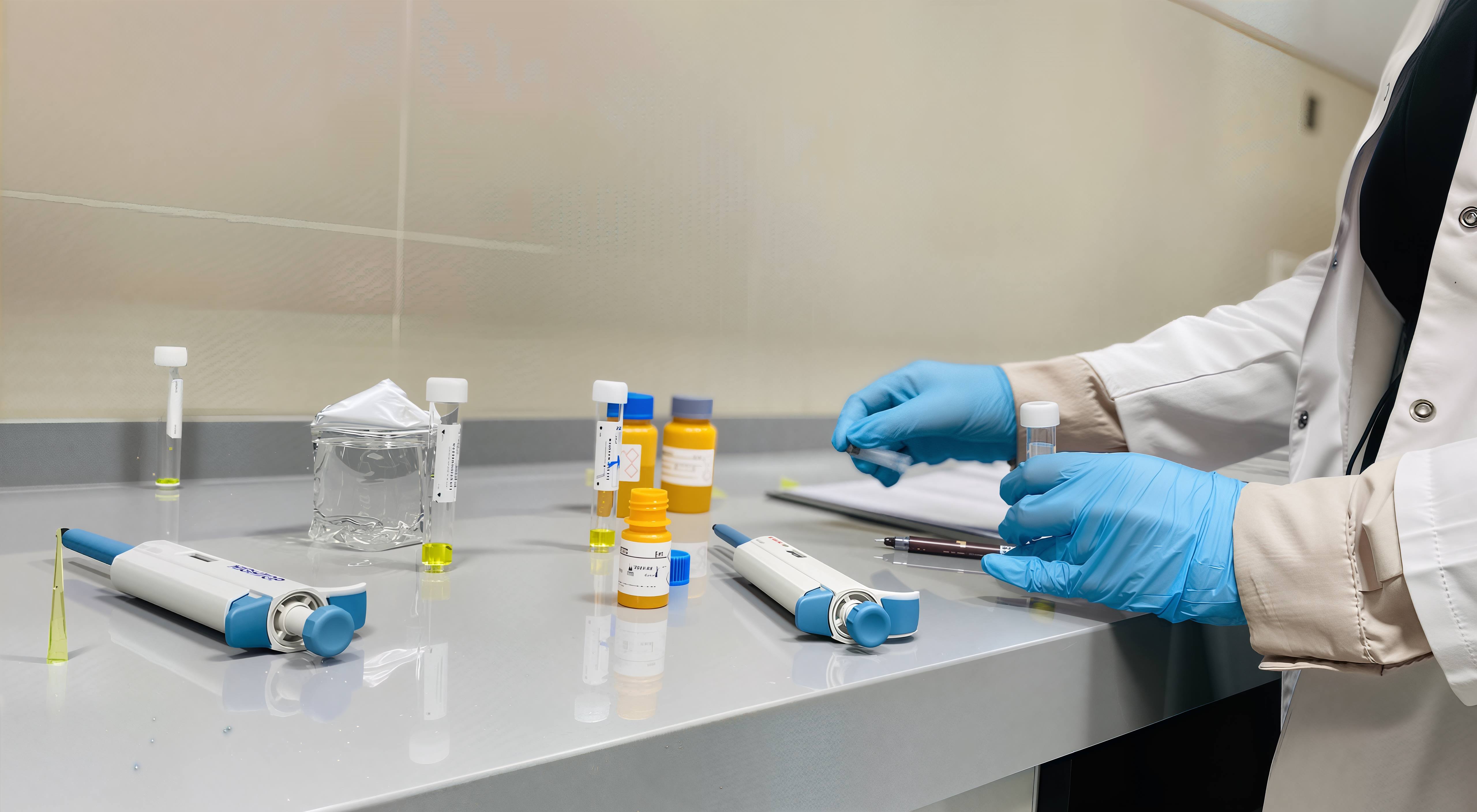
• Micropipettes
• Vacutainers, Needles, Syringes, Tourniquet
Educational Capacity:
• The ability to conduct multiple simultaneous experiments depending on the type of analysis and the academic course.
• Accommodating 30–40 students per practical session to ensure effective training.
Academic Quality and Safety Standards:
• Strict adherence to laboratory safety protocols and the provision of personal protective equipment (PPE).
• Implementation of educational quality control through continuous monitoring of student performance and assessment.