University of Al-Ameed continues to strengthen the integration of sustainability and the United Nations Sustainable Development Goals (SDGs) into its educational environment through academic curricula, dedicated courses, student learning activities and institutional assessment. The University aims to equip students with knowledge and skills that connect their fields of study with wider health, social, environmental and community challenges.
Sustainability Across Academic Programmes
Sustainability-related education is incorporated across the majority of the University’s academic programmes and extends across all six colleges.
In 2025, University of Al-Ameed identified 40 sustainability-related courses and subjects out of 188 confirmed courses. These were distributed across the Colleges of Pharmacy, Nursing, Medicine, Dentistry, Health and Medical Techniques, and Basic Education for Girls.
These courses and programmes integrate sustainability through areas such as public and community health, preventive care, medical ethics, mental health, maternal and child health, inclusive education and healthcare, responsible medicine use, patient safety, emergency response and professional responsibility. Together, they support several Sustainable Development Goals, including SDGs 3, 4, 5, 10, 11, 12 and 16, across disciplines such as Medicine, Dentistry, Pharmacy, Nursing, Health and Medical Techniques, and Basic Education.
University of Al-Ameed continues to expand this integration across its academic programmes as part of its commitment to meaningful education for sustainable development.
Dedicated Courses and Learning Opportunities
Students engage with sustainability through both compulsory and optional educational opportunities.
Formal courses address sustainability-related themes directly connected to students’ academic and professional fields. Depending on the programme, these include subjects relating to community health, preventive medicine, maternal and child health, patient safety, responsible pharmaceutical practices, inclusive care, emergency response and other areas connected with the SDGs.
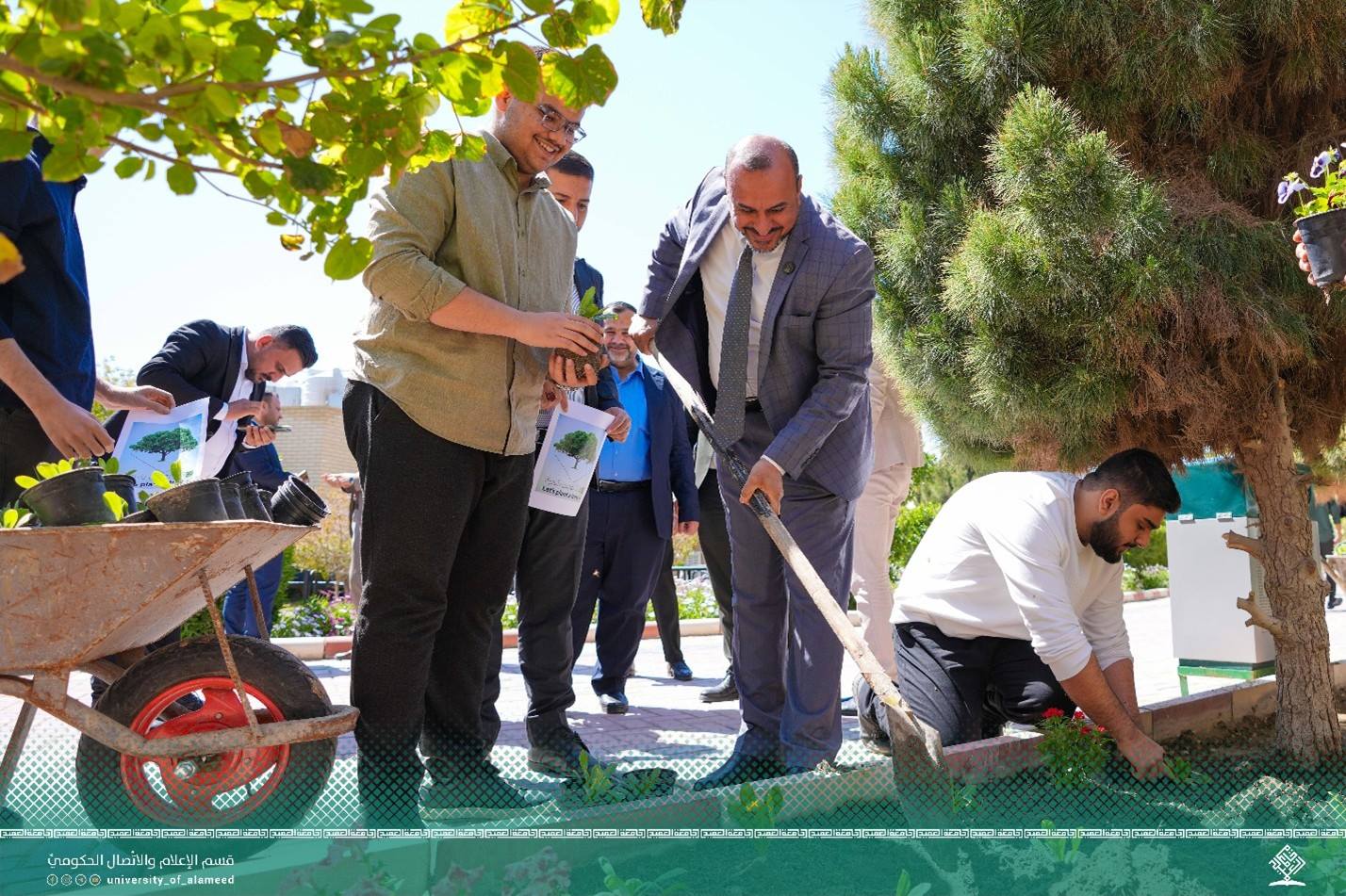
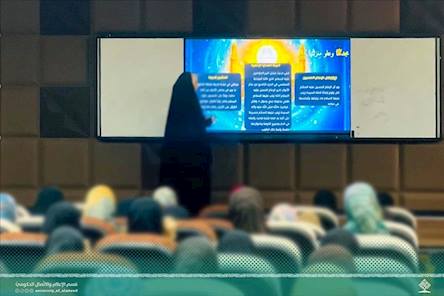
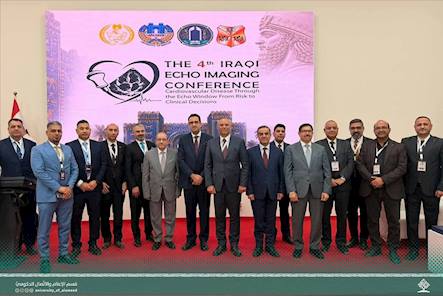
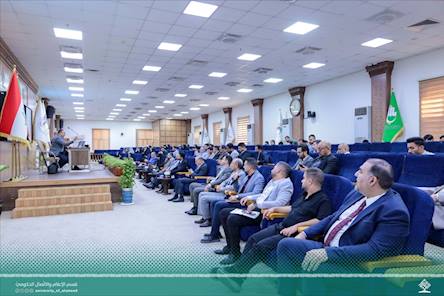
These formal courses are complemented by educational activities and workshops addressing topics such as green education, renewable and sustainable energy, green chemistry, health awareness, responsible use of medicines, environmental responsibility, research, safety and community wellbeing, among others.
This combination allows students to develop sustainability knowledge through both their formal studies and wider educational activities, while supporting the continued expansion of sustainability education across the University.
Connecting Education with Practice
University of Al-Ameed seeks to connect sustainability education with professional practice and community responsibility.
Students encounter sustainability-related issues within the context of their own disciplines. Medical and health students engage with public health, prevention, patient safety, community wellbeing and emergency response, while Pharmacy students address responsible medicine use, chemical safety and pharmaceutical practice. Education programmes contribute to quality education, literacy, child development, communication and inclusive learning.
This approach helps students understand sustainability as a broad concept that extends beyond environmental protection to include health, education, equality, social responsibility, responsible consumption and the development of safe and inclusive communities.
Measuring Student Sustainability Literacy
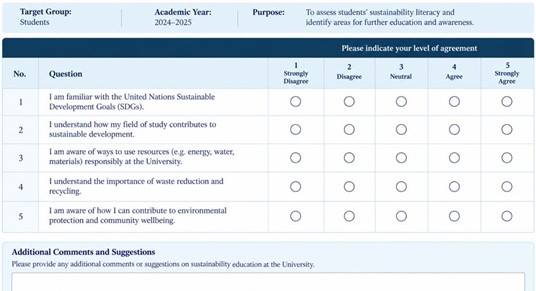
University of Al-Ameed also measures students’ sustainability literacy through structured surveys and assessment activities.
The assessment examines students’ understanding of sustainable development, the Sustainable Development Goals, responsible use of resources, waste reduction, health and wellbeing, social responsibility, environmental awareness, and the relationship between their academic discipline and sustainable development.
It also considers students’ awareness of how they can contribute to sustainability within the University and the wider community. The findings help identify areas where further education and awareness are needed and support continued improvement in sustainability-related learning.
By maintaining consistent core assessment areas over time, the University can monitor changes in students’ sustainability literacy and use the results to guide future educational and awareness initiatives.
Continuous Improvement
Through curriculum development, sustainability-related courses, compulsory and optional learning opportunities, educational activities, student engagement and sustainability-literacy assessment, University of Al-Ameed continues to strengthen education for sustainable development.
The University remains committed to broadening the integration of sustainability across its academic programmes, strengthening student understanding of the SDGs and linking education with professional responsibility, community wellbeing and sustainable development.