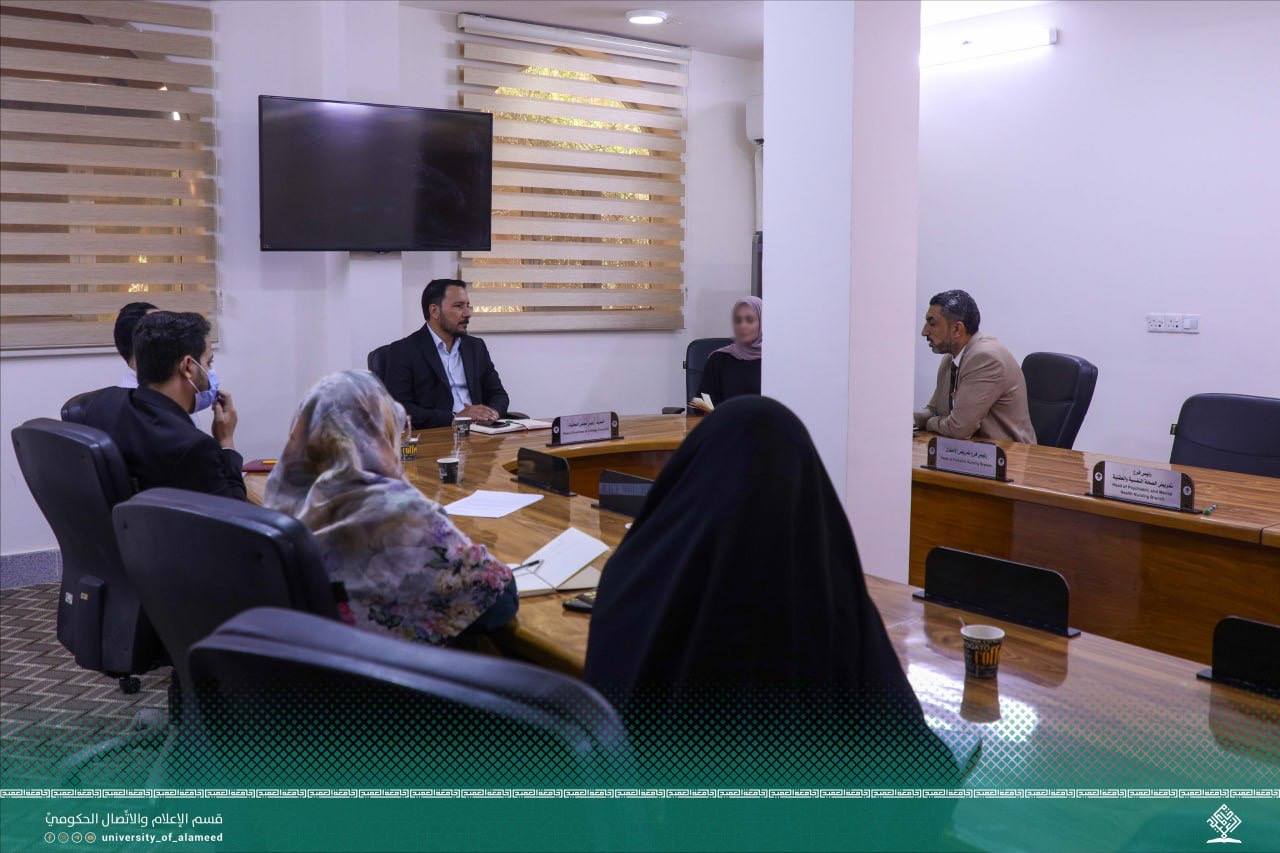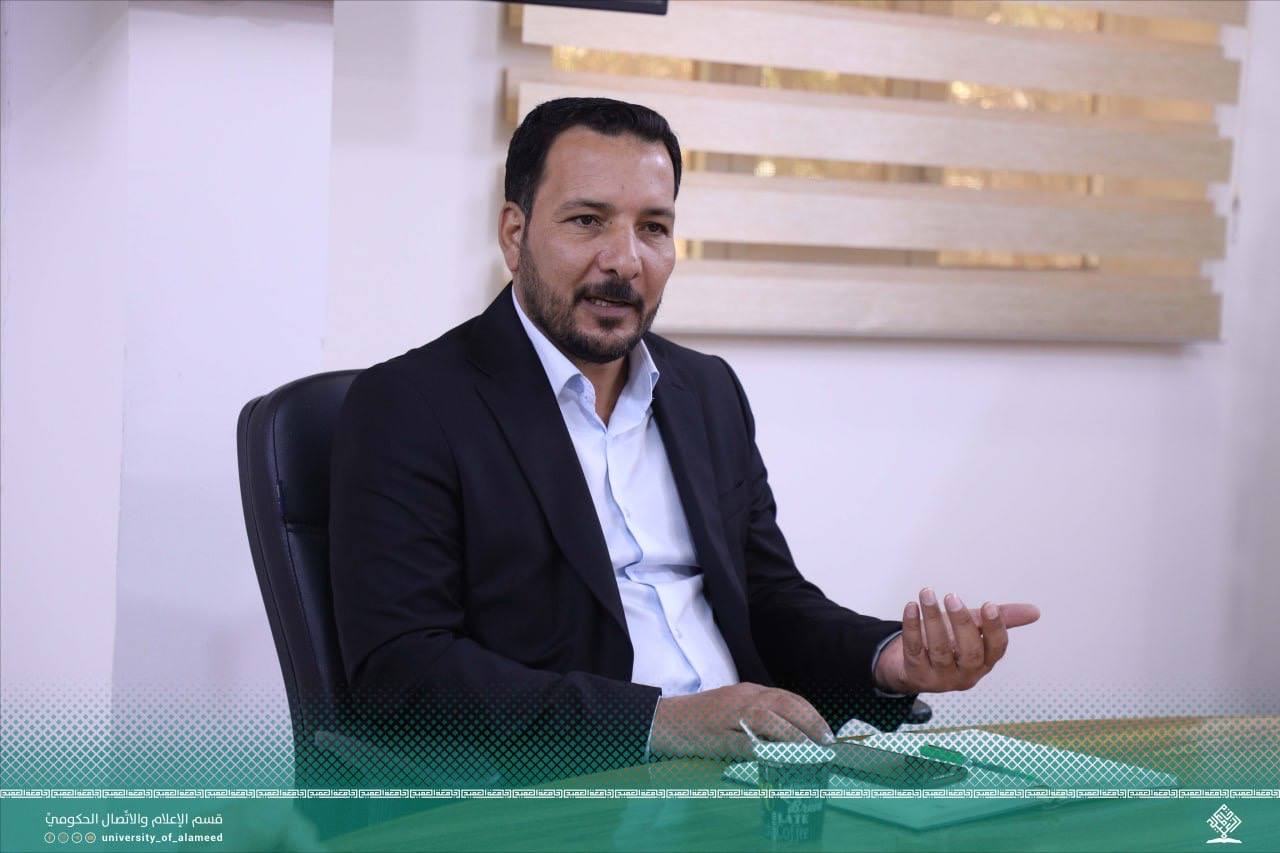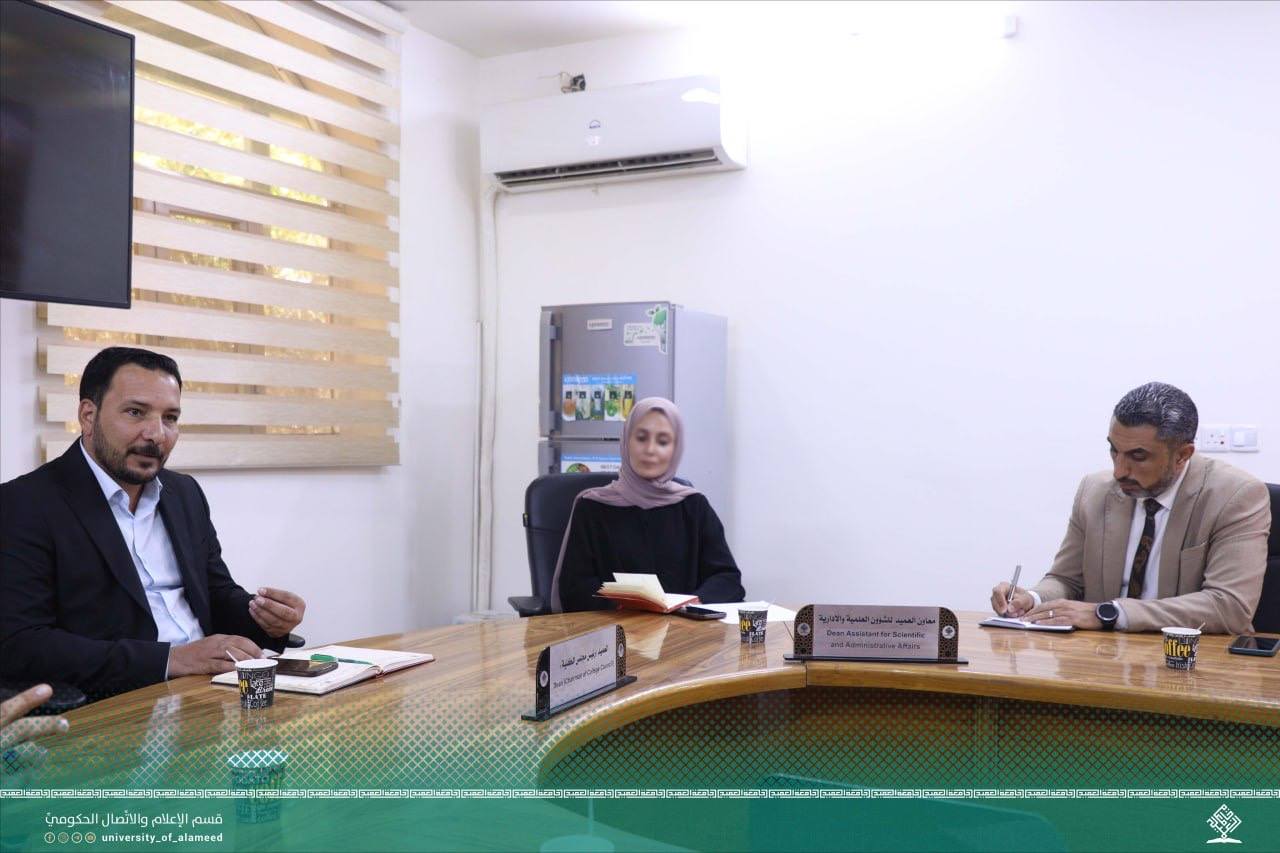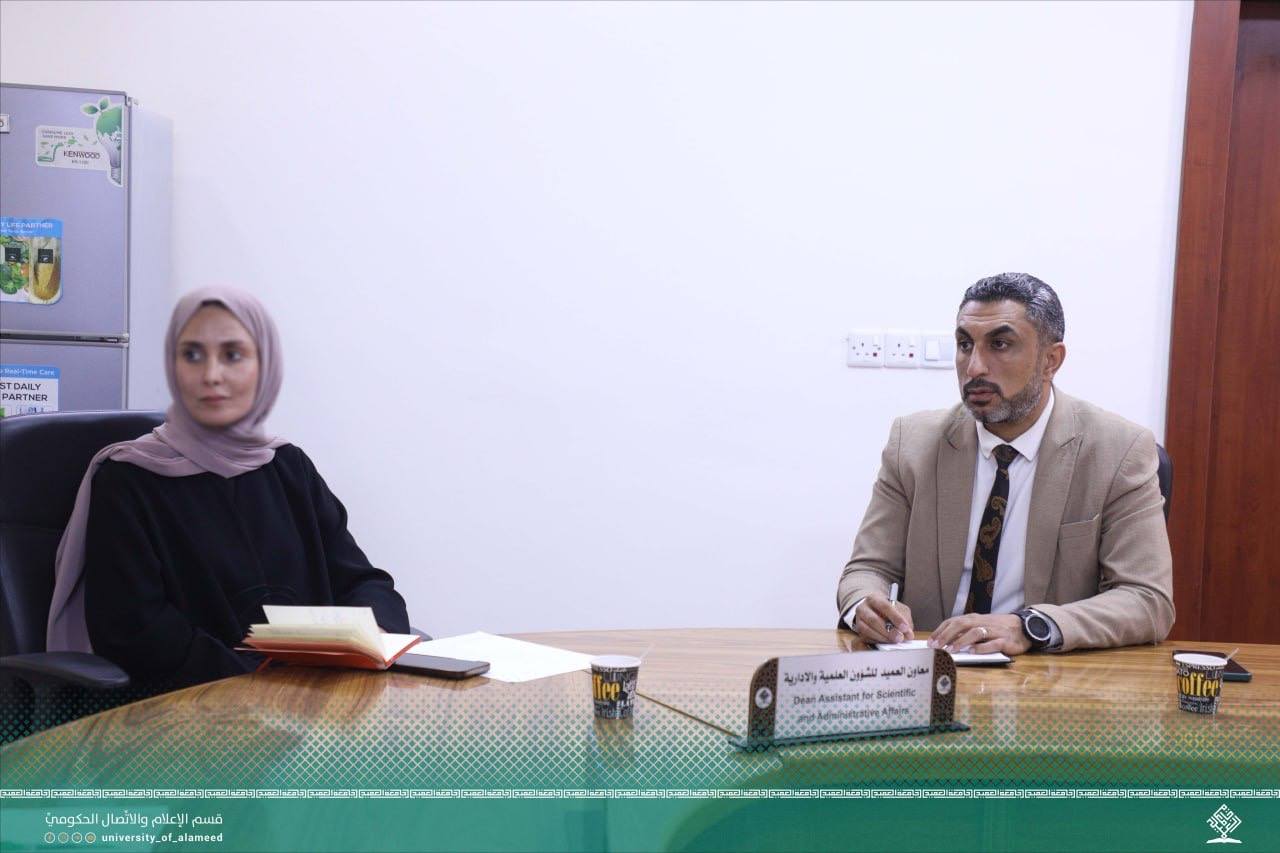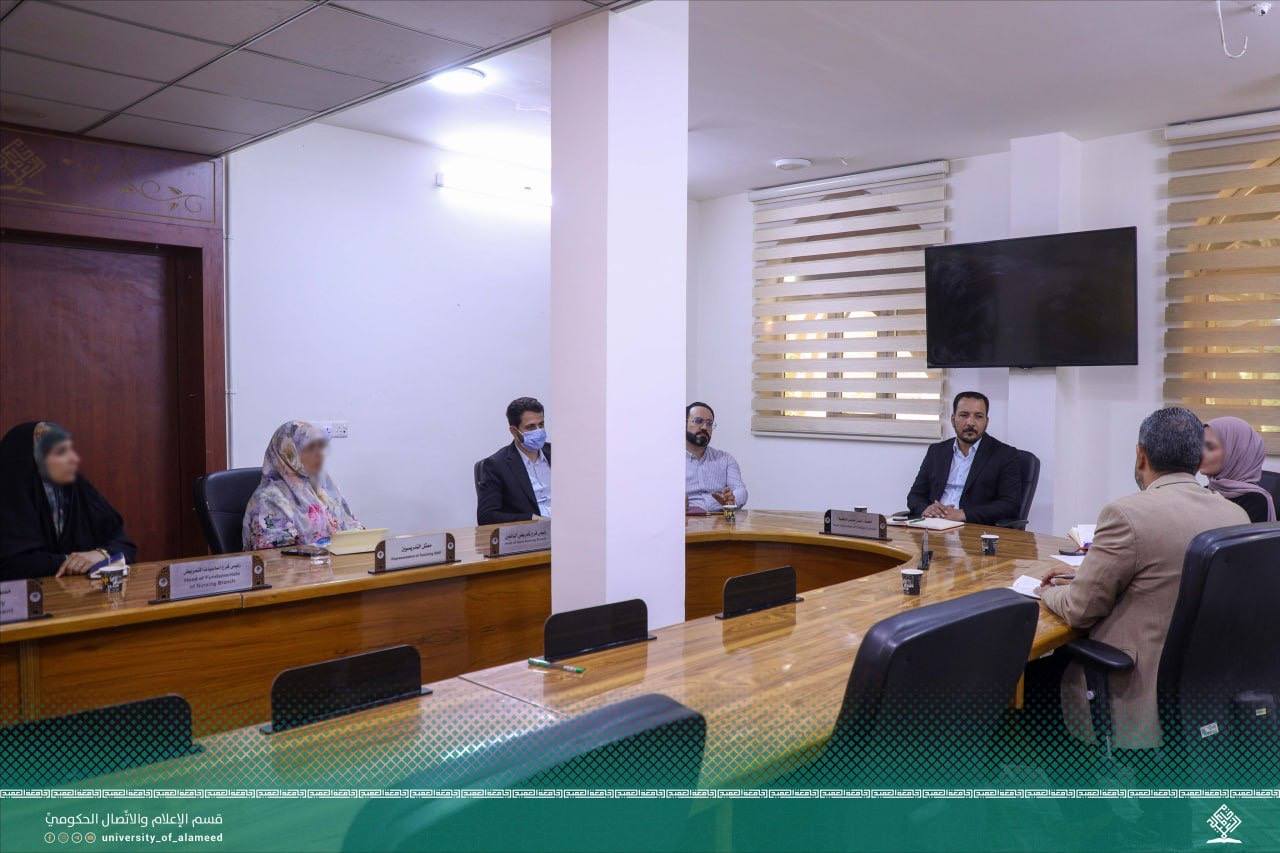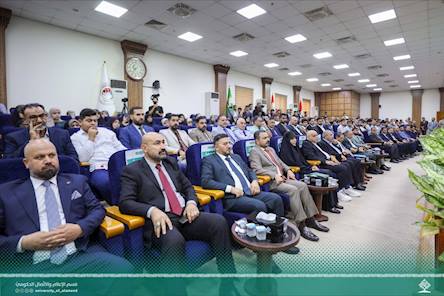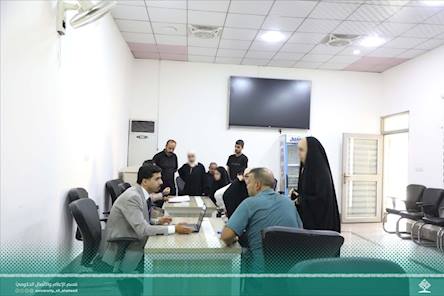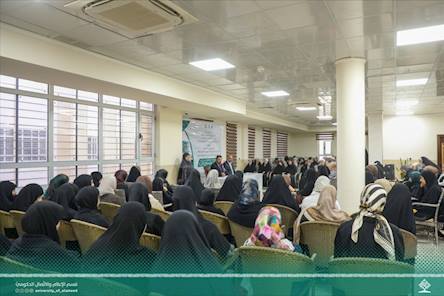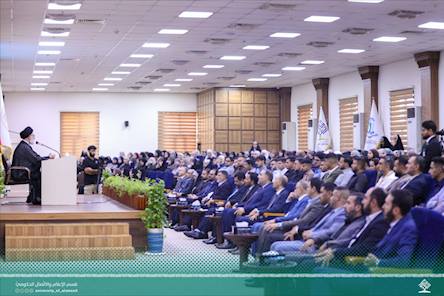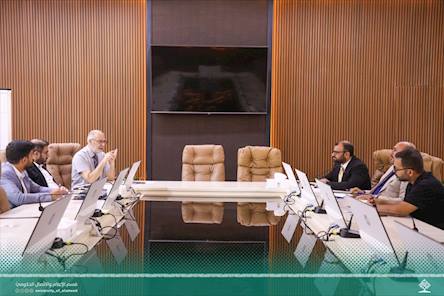
As part of its continuous endeavors toward elevating the quality of nursing education and applying sustainable academic improvement standards, the Curriculum Update Follow-Up Committee (Bologna Process) at the College of Nursing at University of Al-Ameed held its periodic meeting. The session was chaired by the Dean of the College, Prof. Dr. Dhiaa Karim Al-Bayati, in the presence of committee members.
The meeting featured discussions on several academic and organizational topics related to updating and developing the Bologna Process curriculum. Emphasis was placed on the importance of adopting a clear and effective methodology for gathering and analyzing feedback from the teaching staff responsible for updating course modules, considering feedback a vital pillar in ensuring curriculum quality and achieving continuous improvement in educational outcomes.
During the meeting, the committee stressed that teaching staff feedback must be grounded in clear academic standards and evaluative indicators. Furthermore, it should align with relevant ministerial guidelines and instructions, as well as the recommendations and academic visions adopted by the Committee of Deans of Nursing Colleges in Iraqi Universities, thereby strengthening curriculum alignment with modern national requirements for nursing education.
Participants also discussed the importance of expanding participation in curriculum evaluation by drawing on student opinions and feedback, alongside external experts' insights. These parties represent crucial feedback sources that help identify strengths and areas for improvement, ensuring courses respond effectively to student needs and professional practice requirements.
It was emphasized that curriculum updating is not merely a temporary academic procedure, but an ongoing process of development based on review, evaluation, analysis, and corrective action. This aligns with the Bologna Process philosophy, which focuses on learning outcomes, student competencies, and educational efficiency to achieve a more integrated, flexible nursing curriculum responsive to scientific and professional advancements, ultimately building competitive and distinguished educational outcomes in an evolving healthcare environment.