Clinical Skills Laboratory
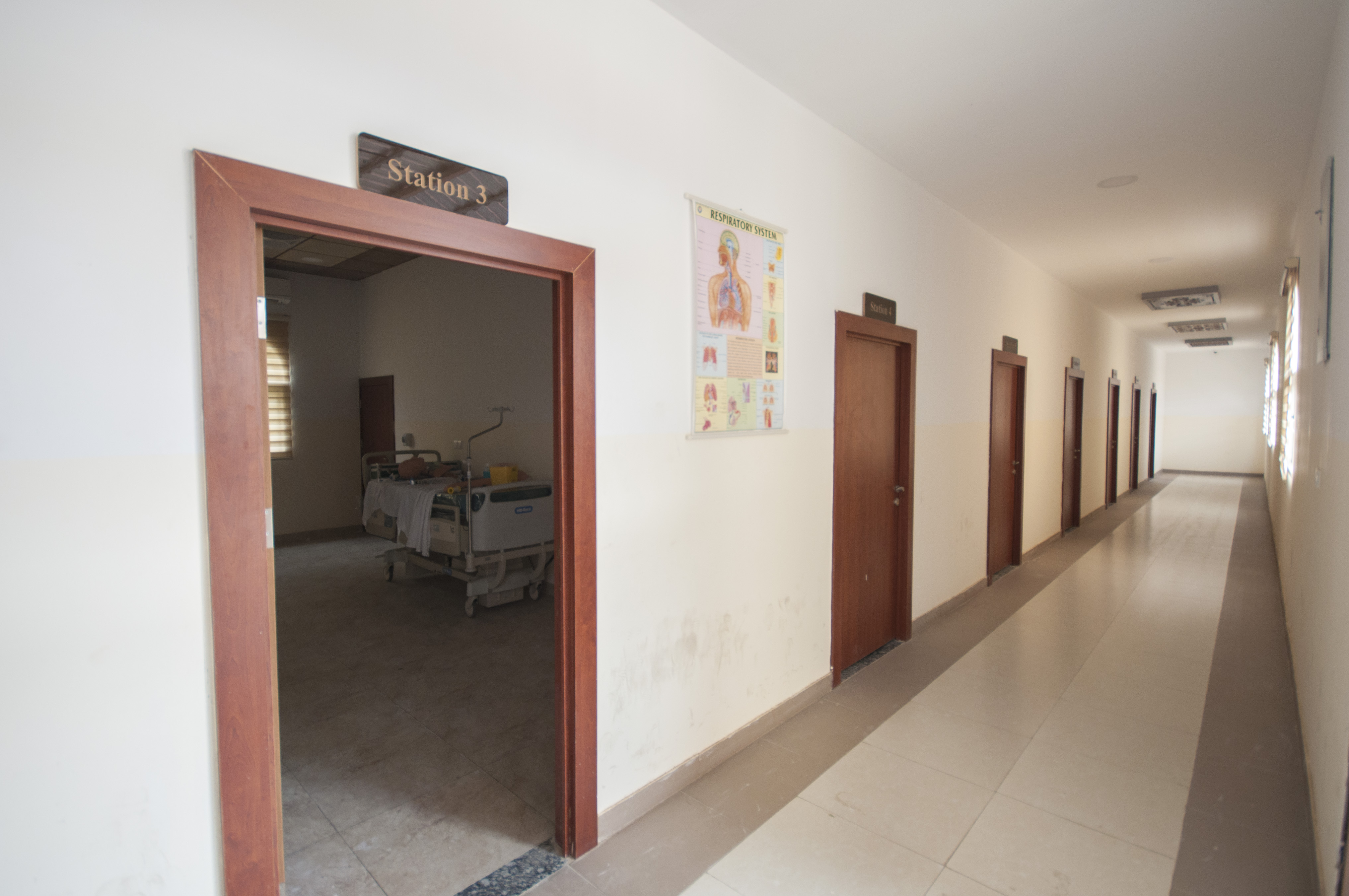
The importance of this laboratory stems from the scientific advancement in the field of medicine, contemporary trends in medical training, and the necessity of bridging the gaps between theoretical study and practical application prior to direct interaction with patients. Its significance also lies in its leading educational and professional dimensions, as it keeps pace with educational developments and modern trends in nursing education and training. The laboratory activates components of the academic curriculum within a semi-realistic and virtual learning environment that closely reflects real clinical settings, and it is employed as an educational strategy that contributes to patient safety and improves the outcomes of care.
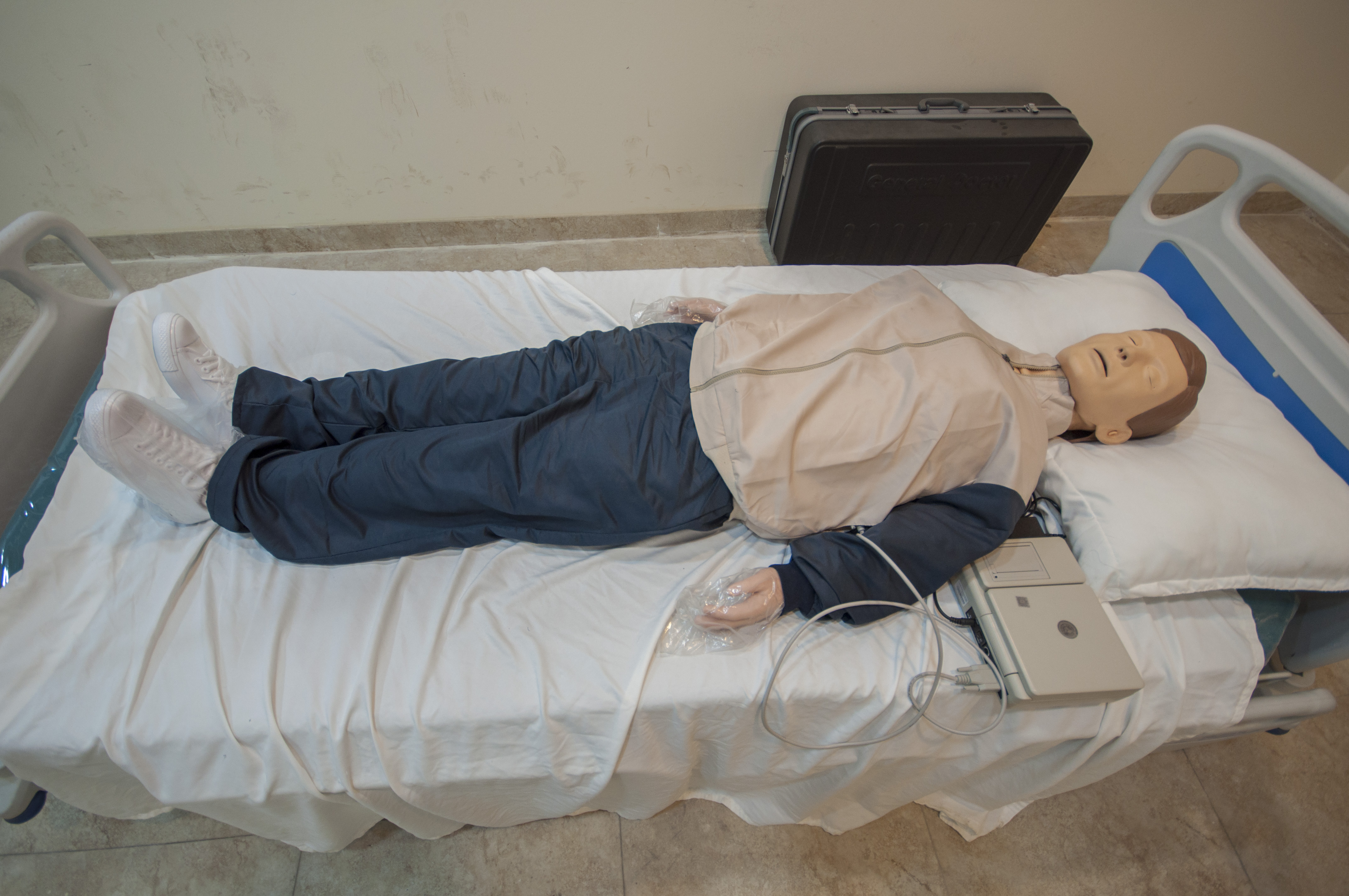
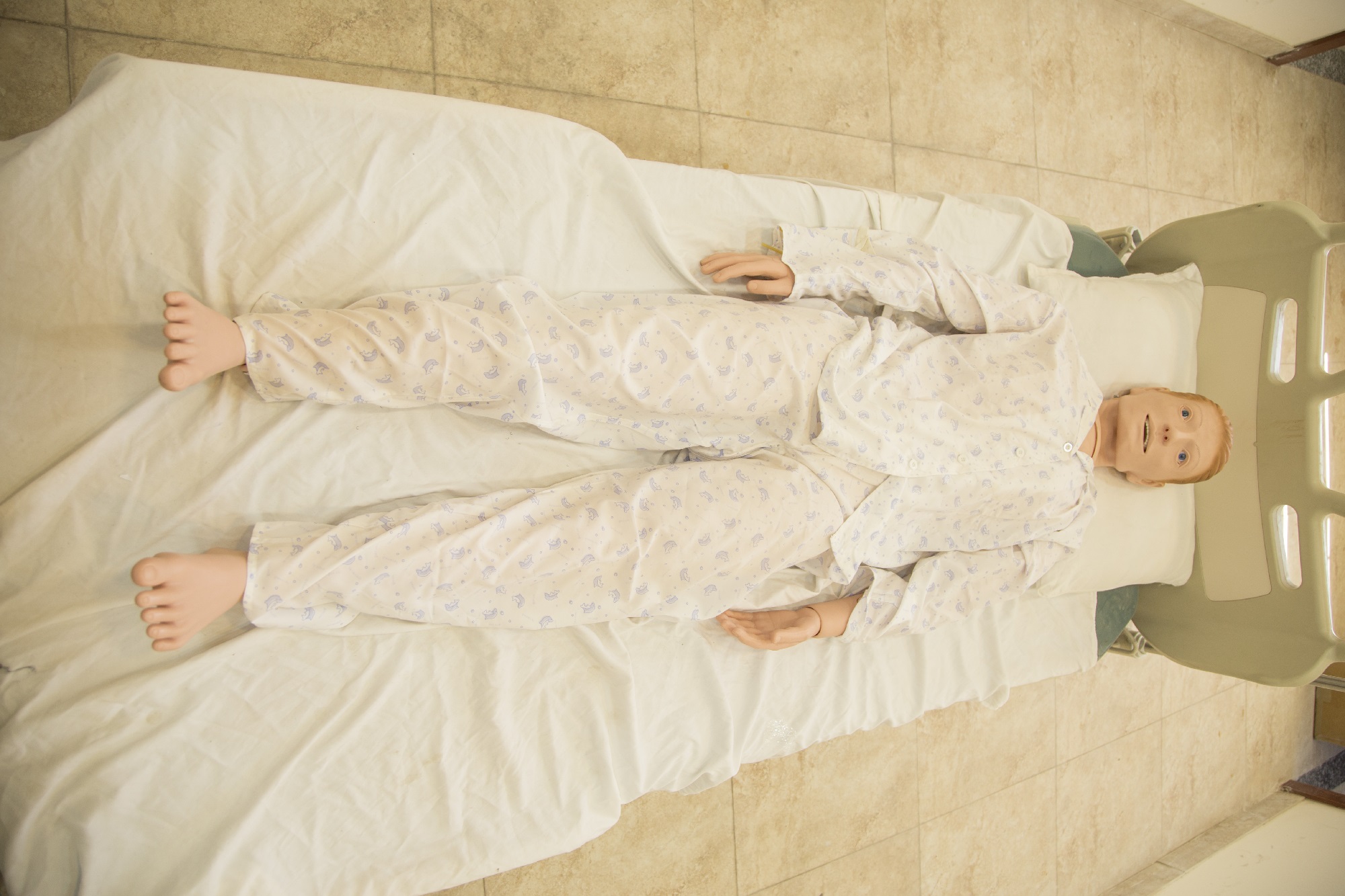
Simulation mannequins are used to assist college students in applying a wide range of nursing care procedures, including cardiopulmonary resuscitation (CPR), the provision of care during emergency situations (Emergency Care) and other critical cases (Critical Cases), as well as training in physical assessment of patients (Physical Assessment) through simulation technologies, such as listening to breathing sounds, heart rate, and bowel movement. These mannequins help students develop clinical practice within hospitals, build confidence in their abilities by learning new clinical scenarios in a controlled environment, receive constructive feedback, enhance patient safety, and provide valuable training opportunities.